Posts

Showing posts from 2023

THE LYMPHATIC SYSTEM [CSEC HSB]

Image
SYLLABUS REFERENCE  [B3.13] describe the structure and function of the lymphatic system  [B3.14] describe how tissue fluid and lymph are formed 

TRANSPORT SYSTEMS - AN OVERVIEW

Image
SYLLABUS OBJECTIVES  CSEC HSB [B3.1] explain the need for a transport system in the human body; [B3.2] identify the materials which need to be transported around the human body;  CSEC BIOLOGY   [B4.1] explain the need for transport systems in multicellular organisms;  [B4.2] identify the materials which need to be transported in animals & plants; 

WATER CONSERVATION [CSEC BIOLOGY]

Image
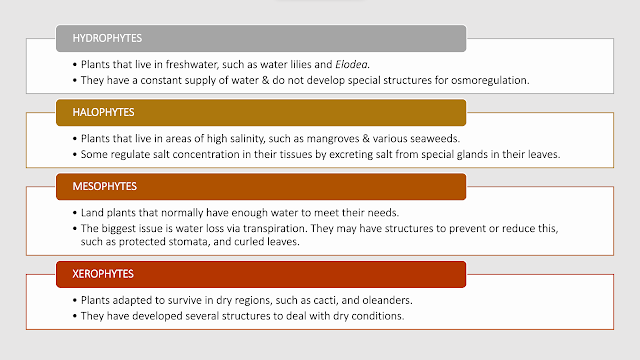
SYLLABUS OBJECTIVE(S) [B4.10] discuss adaptation in plants to conserve water; 

PRE- AND POST-NATAL HEALTHCARE [CSEC HSB]

Image
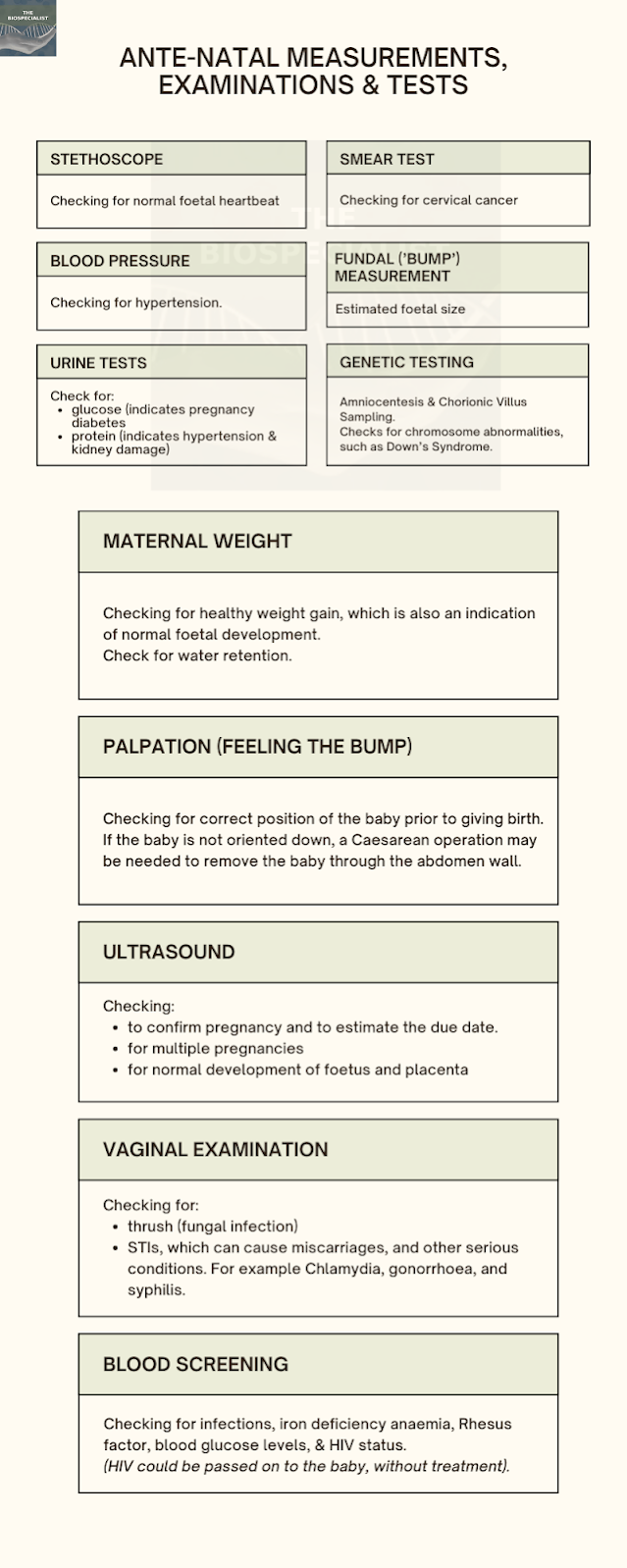
SYLLABUS OBJECTIVES  CSEC HSB [B7.6] discuss pre-natal/ante-natal and post-natal care for mother and baby; 

HAEMOPHILIA [EXAM QUESTION]

Image
THIS IS AN EXCERPT OF A POST FROM MY 'DELVING DEEPER' SUBSTACK BLOG. YOU CAN READ THE ORIGINAL HERE .  This post is prompted by a question in the CSEC Biology Paper 02 exam, held in January 2017.  Question 3(d) "Suggest ONE reason why haemophiliacs may be more susceptible to infectious disease."  Before we directly answer this question, let's dig into haemophilia itself.  What is Haemophilia? This is a disorder that results in the patient having a reduced ability to make blood clots. It is due to the lack of a particular clotting factor .  A (Mostly) Genetic Disorder  The missing clotting factor is a protein, and thus there is a gene for it. The disorder develops when a mutated form of the gene is present. This mutant gene provides instructions for the synthesis of a defective form of the clotting factor. The defective form does not work properly, and the development of blood clots becomes difficult.  Sex (Gender)-linked  The good news is that the...

HOMEOSTASIS [CSEC HSB]

Image
SYLLABUS REFERENCE [B5.5] explain the concept of homeostasis;  [B5.6] explain the concept of feedback mechanisms;  [B5.7] discuss the regulation of blood sugar;  [B5.9] distinguish between heat and temperature;  [B5.10] discuss the regulation of temperature; 

HUMAN REPRODUCTION [CSEC HSB & BIOLOGY]

Image
SYLLABUS REFERENCE  CSEC BIOLOGY  [B9.2] describe the structure & function of the reproductive systems in humans;  [B9.3] describe the menstrual cycle;  [B9.4] outline the mechanism for bringing gametes together, their fusion, and the development of the embryo in humans;  CSEC HSB [B7.2] describe the structure and function of the reproductive systems in human beings;  [B7.3] describe the menstrual cycle;  [B7.4] explain ovulation, fertilisation, implantation, and development of the embryo;  [B7.5] describe the stages of the birth process; 

CONTRACEPTION & FAMILY PLANNING [CSEC HSB & BIOLOGY]

Image
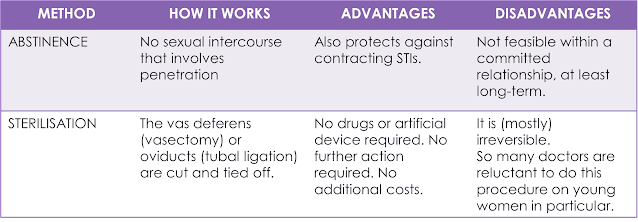
SYLLABUS REFERENCE  CSEC BIOLOGY  [B9.5] discuss the advantages and disadvantages of various methods of birth control.  CSEC HSB  [B7.7] explain how birth control methods prevent pregnancy;  [B7.8] discuss the advantages and disadvantages of birth control methods;  [B7.9] discuss the issues related to abortion; [B7.10] discuss the importance of family planning. 

DRUG ABUSE [CSEC HSB]

Image
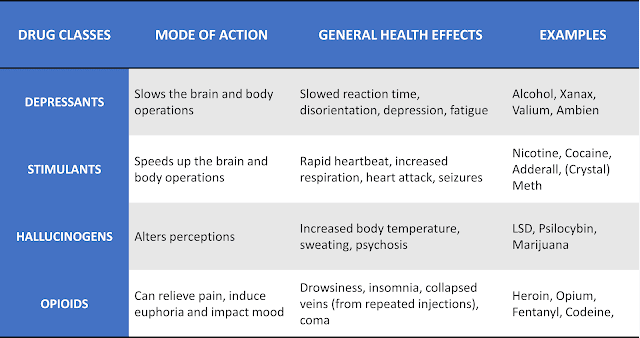
SYLLABUS REFERENCE  CSEC HSB [D22] discuss the use & misuse of drugs;  [D23] explain the social effects of drug misuse on the individual, family, and community; [B2.11] discuss the effects of smoking.  CSEC BIOLOGY  [B7.8] discuss the physiological, social and economic effects of drug abuse. 

PLANT REPRODUCTION | GERMINATION [CSEC BIOLOGY]

Image
SYLLABUS REFERENCE  [B8.2] describe the structure of a dicotyledonous seed;  [B8.3] describe the processes taking place within a seed during germination;  [B9.7] relate the parts of a flower to their functions;  [B9.8] compare the structure of an insect-pollinated flower and a wind-pollinated flower;  [B9.9] distinguish between the processes of pollination and fertilisation;  [B9.10] explain how fruit and seed formation occur after fertilisation. 

TYPES OF NUTRITION [CSEC BIOLOGY & HSB]

Image
SYLLABUS REFERENCE  CSEC Biology  [B2.1] distinguish among heterotrophic, autotrophic and saprophytic nutrition. 

POPULATION DYNAMICS [CSEC BIOLOGY]

Image
SYLLABUS REFERENCE   [B7.1] discuss the factors that affect the growth and survival of populations including human populations; 

VECTOR-BORNE DISEASES [CSEC BIOLOGY & CSECHSB]

Image
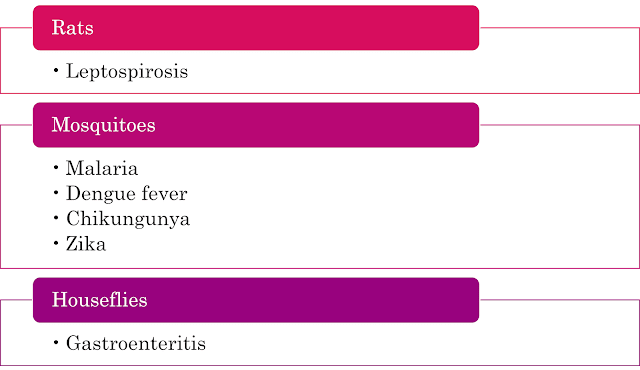
SYLLABUS REFERENCE  CSEC HSB [D12] explain the effect of vectors on human health; [D13] describe the life cycle of the mosquito and housefly;  [D14] discuss mosquito-borne diseases;  [D15] explain the importance & methods of controlling vectors that affect human health.  CSEC BIOLOGY  [B10.2] identify the stages in the life cycle of a mosquito;  [B10.3] discuss the role of the mosquito as a vector in the transmission of pathogenic diseases;  [B10.4] suggest appropriate methods of control of each stage of the life cycle of the mosquito;

BODY'S DEFENSE AGAINST DISEASE [CSEC BIOLOGY & HSB)

Image
SYLLABUS REFERENCE  CSEC HSB [D20] explain the types of immunity; [D21] distinguish between immunity and immunisation; vaccine and vaccination. CSEC BIOLOGY  [B4.5] describe the role of blood in defending the body against disease;  [B4.6] explain how the principles of immunization are used in the control of communicable diseases. 

STIs & HIV/AIDS [CSEC BIOLOGY & CSEC HSB]

Image
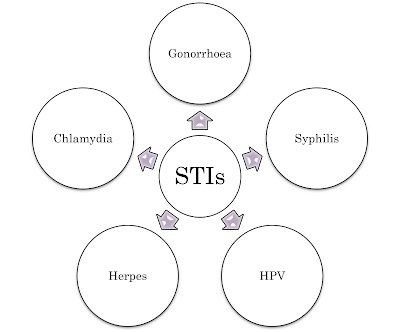
SYLLABUS REFERENCE  CSEC HSB  [D6] discuss sexually transmitted infections (STIs);  [D7] discuss Human Immunodeficiency Virus / Acquired Immune Deficiency Syndrome (HIV / AIDS);  [D8] describe the effect of STIs on the pregnant mother and the foetus. CSEC BIOLOGY  [B10.5] discuss the treatment and control of the four main groups of disease. 

DISEASE SOCIOECONOMIC IMPACT | DEFINITIONS [CSEC BIOLOGY & HSB]

Image
SYLLABUS REFERENCE  CSEC HSB [D11] discuss the impact of diseases on the human population; Important definitions, especially with respect to managing disease in a community.  CSEC BIOLOGY  [B10.6] discuss the social, environmental and economic implications of disease with reference to both plant and animal diseases. 

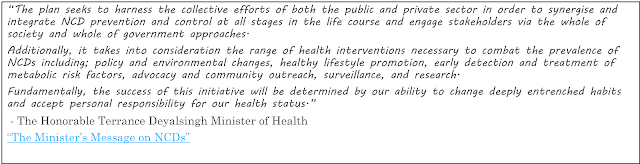
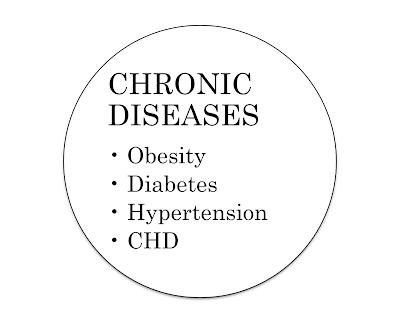
CHRONIC DISEASES [CSEC BIOLOGY & CSEC HSB]

Image
SYLLABUS REFERENCE  CSEC HSB  [D9] discuss chronic / lifestyle-related diseases;  CSEC BIOLOGY  [B10.5] discuss the treatment and control of the four main groups of disease. 

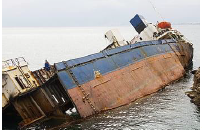
MARINE & WETLAND POLLUTION [CSEC BIOLOGY]

Image
SYLLABUS REFERENCE  [A6.3] assess the implications of pollution of marine and wetland environments; 

HEALTH & DISEASE 101 [CSEC Biology & HSB]

Image
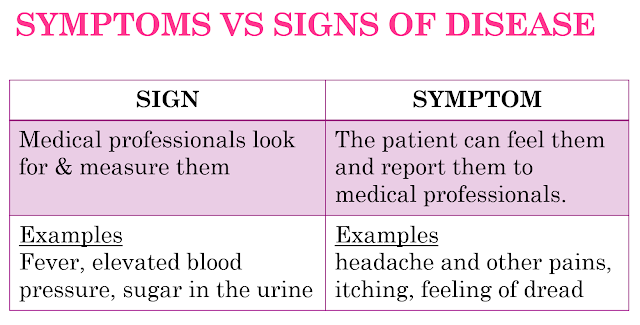
SYLLABUS REFERENCE  CSEC HSB  [D1] define the terms good health and disease;  [D2] classify the types of diseases;  [D3] differentiate between the terms signs and symptoms; CSEC Biology  [B10.1] distinguish among pathogenic, deficiency, hereditary, and physiological diseases; [B10.5] discuss the treatment and control of the four main groups of disease;  [B10.6] discuss the social, environmental, and economic implications of disease with reference to both plant and animal diseases. 

CARDIOVASCULAR SYSTEM [CSEC HSB & BIOLOGY]

Image
SYLLABUS REFERENCE  CSEC Biology [B4.3] describe the structure and function of the circulatory system in humans;  [B4.4] relate the structure of the components of blood to their function;  CSEC HSB [B3.4] relate the structures of red blood cells, phagocytes, and lymphocytes to their functions;  [B3.5] relate the structures of the arteries, veins, and capillaries to their functions;  [B3.6] relate the structures of the heart to their functions;  [B3.7] explain the concept of blood pressure;  [B3.8] describe the structure & function of the circulatory system in humans;  [B3.11] discuss the causes & effects of heart diseases; (brief overview)  

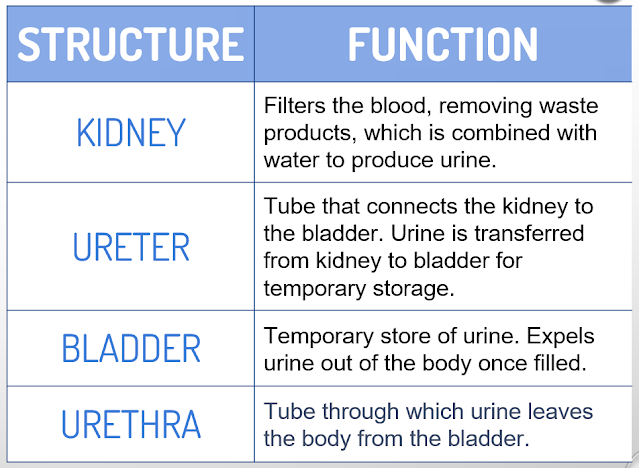
EXCRETION | KIDNEY STRUCTURE & FUNCTION [CSEC HSB & BIOLOGY]

Image
SYLLABUS REFERENCE  CSEC HSB [B1.27] distinguish between egestion and excretion;  [B5.1] explain the importance of excretion in human beings;  [B5.2] explain the roles of the organs involved in excretion;  [B5.3] relate the structures of the kidney to their function;  [B5.8] explain the regulation of water;  CSEC Biology  [B5.1] distinguish between egestion and excretion;  [B5.2] discuss the importance of excretion in living organisms;  [B5.3] state how metabolic wastes are excreted from plants and animals;  [B5.4] relate the kidney to its osmoregulatory and excretory functions. 

MUSCULOSKELETAL SYSTEM [CSEC HSB & BIOLOGY]

Image
SYLLABUS REFERENCE  CSEC HSB  [B4.1] identify the major bones of the skeleton;  [B4.2] relate the structure of the skeleton to its functions;  [B4.7] identify a hinge joint, fixed joint, and ball-and-socket joint;  [B4.9] identify the biceps and triceps of the upper arm;  [B4.10] explain how skeletal muscles function in the movement of a limb;  [B4.11] explain the importance of locomotion to man.  CSEC Biology  [B6.2] relate the structure of the skeleton to its function in humans; [B6.3] discuss the importance of locomotion in animals;  [B6.4] describe the mechanism of movement in a human forelimb.  

PLANT MINERAL NUTRITION [CSEC BIOLOGY]

Image
SYLLABUS REFERENCE  [B2.5] discuss the importance of minerals in plant nutrition using nitrogen and magnesium as examples.

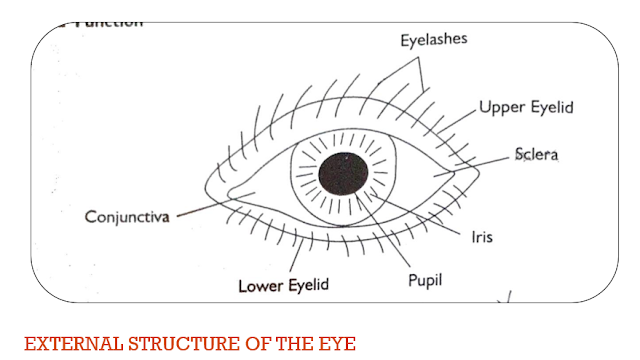
EYE STRUCTURE & FUNCTION [CSEC HSB]

Image
SYLLABUS REFERENCE  CSEC HSB [B6.9] relate the internal structures of the eye to their functions;  [B6.10] explain how images are formed in the eye;  [B6.11] explain accommodation in the eye;  [B6.12] discuss the causes of, and corrective measures for eye defects and diseases.  CSEC Biology  [B7.9] relate the structure of the human eye to its functions as a sense organ;  [B7.10] explain accommodation; sight defects and the corrections of each; 

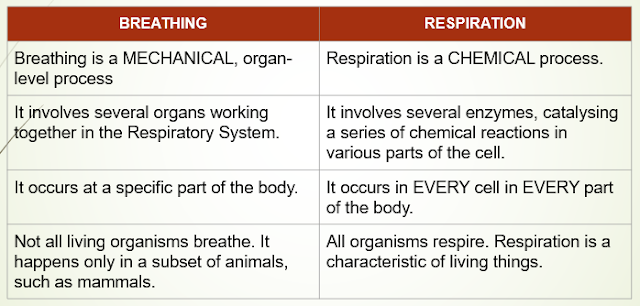
RESPIRATION, GASEOUS EXCHANGE, AND BREATHING [CSEC BIOLOGY & HSB]

Image
SYLLABUS REFERENCE  CSEC HSB  [B2.1] explain the importance of breathing in humans;  [B2.2] relate the structures of the respiratory tract to their functions;  [B2.3] describe the breathing mechanism;  [B2.6] distinguish between gaseous exchange and breathing;  [B2.7] identify characteristics common to gaseous exchange surfaces;  [B2.8] differentiate between aerobic and anaerobic respiration;  CSEC BIOLOGY  [B3.1] describe the process of aerobic respiration; [B3.2] distinguish between aerobic and anaerobic respiration;  [B3.3] describe the mechanism of breathing in humans and gaseous exchange in flowering plants;  [B3.4] identify characteristics common to gaseous exchange surfaces; 

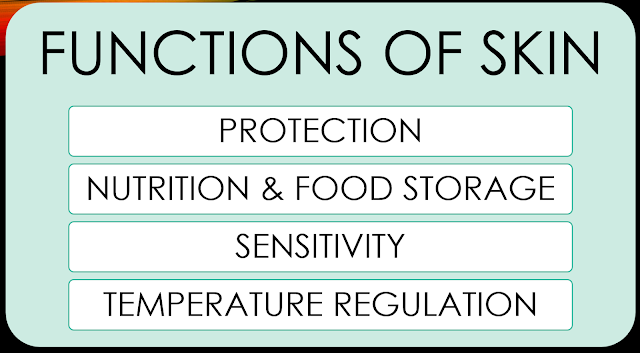
SKIN STRUCTURE & FUNCTION [CSEC HSB]

Image
SYLLABUS REFERENCE  CSEC HSB  [B5.4] relate the structures of the skin to their functions.  CSEC Biology  [B7.11] relate the structure of the human skin to its function in temperature regulation. 

TEETH & DENTAL HYGIENE [CSEC HSB & BIOLOGY]

Image
SYLLABUS REFERENCE  CSEC HSB [B1.14] relate the types of teeth present in an infant and an adult human to their roles;  [B1.15] explain the importance of teeth in the process of digestion;  [B1.16] relate the structures of the tooth to their functions;  [B1.17] state the causes of tooth decay;  [B1.19] outline guidelines for the care of the teeth;  CSEC BIOLOGY  [B2.7] relate the structures of the human alimentary canal to their functions;  simple diagrams of the internal structure of a tooth required. Mastication and the role of teeth in the mechanical breakdown of food to be included. 

ENZYME PROPERTIES & ROLES [CSEC HSB & BIOLOGY]

Image
SYLLABUS REFERENCE  HSB [B1.20] explain the properties, role and importance of enzymes involved in digestion; [B1.21] investigate the effects of temperature and pH on the activity of the enzymes amylase and catalase in the digestive process;  CSEC BIOLOGY [B2.8] explain the role and importance of enzymes; [B2.9] investigate the effect of temperature and pH on the activity of the enzymes catalase or amylase; 
DIGESTIVE SYSTEM & DIGESTIVE PROCESS [CSEC HSB & BIOLOGY]

Image
SYLLABUS REFERENCE HSB  [B1.22] identify the various structures of the digestive system;  [B1.23] relate the structures of the digestive system to their functions;  [B1.24] describe the processes of digestion and absorption of food in the alimentary canal;  [B1.25] discuss the fate of the products of digestion after their absorption;  [B1.26] relate the structure of a villus to the function of absorption;  BIOLOGY [B2.7] relate the structures of the human alimentary canal to their functions;  [B2.8] explain the role and importance of enzymes;  [B2.10] describe what happens to the products of digestion after their absorption; 

PLANT TRANSPORT [CSEC BIOLOGY]

Image
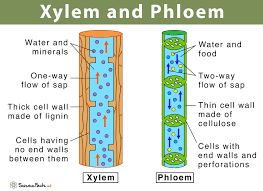
SYLLABUS REFERENCE  [B4.7] explain how the structure of xylem vessels is suited for their function;  [B4.8] discuss the role of the process of transpiration in plants;  [B4.9] describe the effect of external factors in transpiration; [B4.11] explain how the structure of the phloem is suited to its functions;

NERVOUS vs ENDOCRINE SYSTEM [CSEC HSB & Biology]

Image
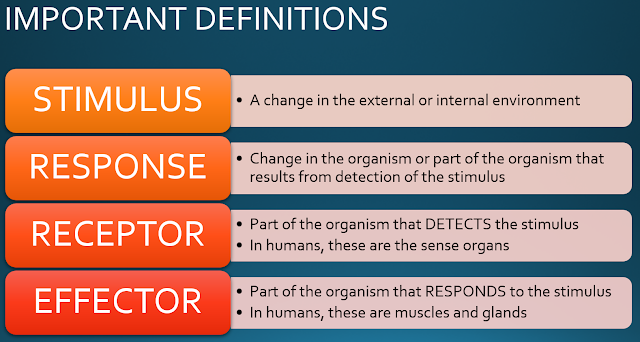
SYLLABUS REFERENCE  CSEC HSB [B6.1] describe the main divisions of the nervous system;  [B6.2] distinguish between a neuron and a nerve;  [B6.3] explain the functions of motor and sensory neurons and spinal synapses;  [B6.4] describe the functions of the parts of the brain;  [B6.5] describe the mechanisms of a reflex action;  [B6.6] explain the process by which voluntary actions occur;  [B6.7] distinguish between a voluntary and involuntary action;  [B6.8] explain the response of the sense organs to stimuli;  [B6.13] compare and contrast endocrine and nervous control systems;   [B6.14] identify the sites of hormone production;   [B6.15] explain the roles of selected hormones in the human body;  CSEC Biology  [B7.1] define 'stimulus' and 'response';  [B7.2] describe the response of: (a) green plants to stimuli; (b) invertebrates to variations in light intensity, temperature and moisture;  [B7.3] define r...

GASTROINTESTINAL DISEASES [CSEC HSB]

Image
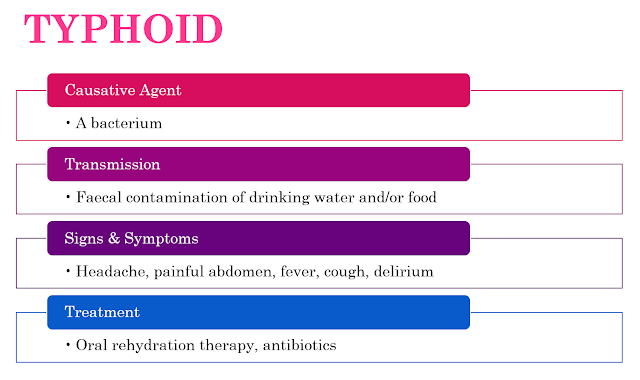
SYLLABUS REFERENCE  CSEC HSB  [D5] discuss gastrointestinal diseases;  [B1.9] describe the causes and effects of constipation and diarrhoea