Posts

Showing posts with the label Organ Systems

BREATHING RATE & FACTORS THAT INFLUENCE IT [HSB]

Image
SYLLABUS REFERENCE [B2.4] outline the factors affecting the rate of breathing;  [B2.5] explain the concept of vital capacity; 

HOMEOSTASIS [CSEC HSB]

Image
SYLLABUS REFERENCE [B5.5] explain the concept of homeostasis;  [B5.6] explain the concept of feedback mechanisms;  [B5.7] discuss the regulation of blood sugar;  [B5.9] distinguish between heat and temperature;  [B5.10] discuss the regulation of temperature; 

CARDIOVASCULAR SYSTEM [CSEC HSB & BIOLOGY]

Image
SYLLABUS REFERENCE  CSEC Biology [B4.3] describe the structure and function of the circulatory system in humans;  [B4.4] relate the structure of the components of blood to their function;  CSEC HSB [B3.4] relate the structures of red blood cells, phagocytes, and lymphocytes to their functions;  [B3.5] relate the structures of the arteries, veins, and capillaries to their functions;  [B3.6] relate the structures of the heart to their functions;  [B3.7] explain the concept of blood pressure;  [B3.8] describe the structure & function of the circulatory system in humans;  [B3.11] discuss the causes & effects of heart diseases; (brief overview)  
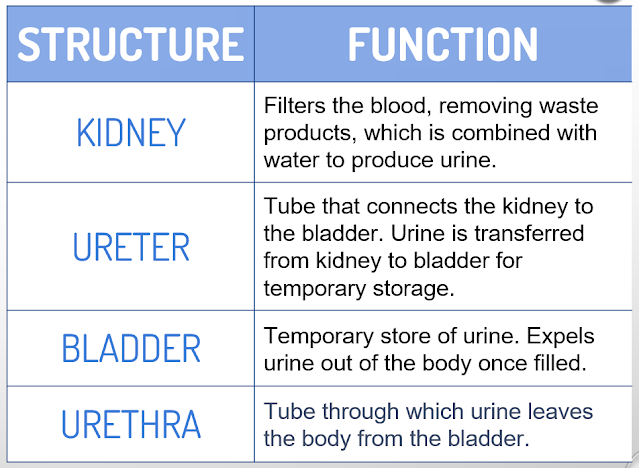
EXCRETION | KIDNEY STRUCTURE & FUNCTION [CSEC HSB & BIOLOGY]

Image
SYLLABUS REFERENCE  CSEC HSB [B1.27] distinguish between egestion and excretion;  [B5.1] explain the importance of excretion in human beings;  [B5.2] explain the roles of the organs involved in excretion;  [B5.3] relate the structures of the kidney to their function;  [B5.8] explain the regulation of water;  CSEC Biology  [B5.1] distinguish between egestion and excretion;  [B5.2] discuss the importance of excretion in living organisms;  [B5.3] state how metabolic wastes are excreted from plants and animals;  [B5.4] relate the kidney to its osmoregulatory and excretory functions. 

MUSCULOSKELETAL SYSTEM [CSEC HSB & BIOLOGY]

Image
SYLLABUS REFERENCE  CSEC HSB  [B4.1] identify the major bones of the skeleton;  [B4.2] relate the structure of the skeleton to its functions;  [B4.7] identify a hinge joint, fixed joint, and ball-and-socket joint;  [B4.9] identify the biceps and triceps of the upper arm;  [B4.10] explain how skeletal muscles function in the movement of a limb;  [B4.11] explain the importance of locomotion to man.  CSEC Biology  [B6.2] relate the structure of the skeleton to its function in humans; [B6.3] discuss the importance of locomotion in animals;  [B6.4] describe the mechanism of movement in a human forelimb.  

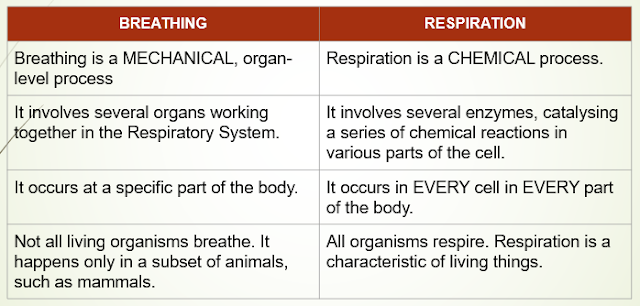
RESPIRATION, GASEOUS EXCHANGE, AND BREATHING [CSEC BIOLOGY & HSB]

Image
SYLLABUS REFERENCE  CSEC HSB  [B2.1] explain the importance of breathing in humans;  [B2.2] relate the structures of the respiratory tract to their functions;  [B2.3] describe the breathing mechanism;  [B2.6] distinguish between gaseous exchange and breathing;  [B2.7] identify characteristics common to gaseous exchange surfaces;  [B2.8] differentiate between aerobic and anaerobic respiration;  CSEC BIOLOGY  [B3.1] describe the process of aerobic respiration; [B3.2] distinguish between aerobic and anaerobic respiration;  [B3.3] describe the mechanism of breathing in humans and gaseous exchange in flowering plants;  [B3.4] identify characteristics common to gaseous exchange surfaces; 

DIGESTIVE SYSTEM & DIGESTIVE PROCESS [CSEC HSB & BIOLOGY]

Image
SYLLABUS REFERENCE HSB  [B1.22] identify the various structures of the digestive system;  [B1.23] relate the structures of the digestive system to their functions;  [B1.24] describe the processes of digestion and absorption of food in the alimentary canal;  [B1.25] discuss the fate of the products of digestion after their absorption;  [B1.26] relate the structure of a villus to the function of absorption;  BIOLOGY [B2.7] relate the structures of the human alimentary canal to their functions;  [B2.8] explain the role and importance of enzymes;  [B2.10] describe what happens to the products of digestion after their absorption; 

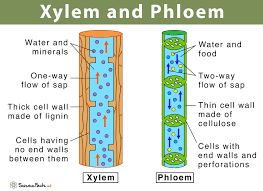
PLANT TRANSPORT [CSEC BIOLOGY]

Image
SYLLABUS REFERENCE  [B4.7] explain how the structure of xylem vessels is suited for their function;  [B4.8] discuss the role of the process of transpiration in plants;  [B4.9] describe the effect of external factors in transpiration; [B4.11] explain how the structure of the phloem is suited to its functions;

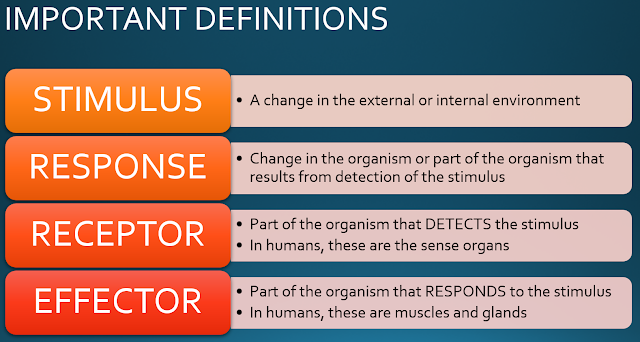
NERVOUS vs ENDOCRINE SYSTEM [CSEC HSB & Biology]

Image
SYLLABUS REFERENCE  CSEC HSB [B6.1] describe the main divisions of the nervous system;  [B6.2] distinguish between a neuron and a nerve;  [B6.3] explain the functions of motor and sensory neurons and spinal synapses;  [B6.4] describe the functions of the parts of the brain;  [B6.5] describe the mechanisms of a reflex action;  [B6.6] explain the process by which voluntary actions occur;  [B6.7] distinguish between a voluntary and involuntary action;  [B6.8] explain the response of the sense organs to stimuli;  [B6.13] compare and contrast endocrine and nervous control systems;   [B6.14] identify the sites of hormone production;   [B6.15] explain the roles of selected hormones in the human body;  CSEC Biology  [B7.1] define 'stimulus' and 'response';  [B7.2] describe the response of: (a) green plants to stimuli; (b) invertebrates to variations in light intensity, temperature and moisture;  [B7.3] define r...