Posts

Showing posts with the label CSEC HSB

IMPACT OF THE ENVIRONMENT ON HUMAN HEALTH [CSEC HSB]

SYLLABUS OBJECTIVES  [E21] discuss the impact of environmental issues on humans; 

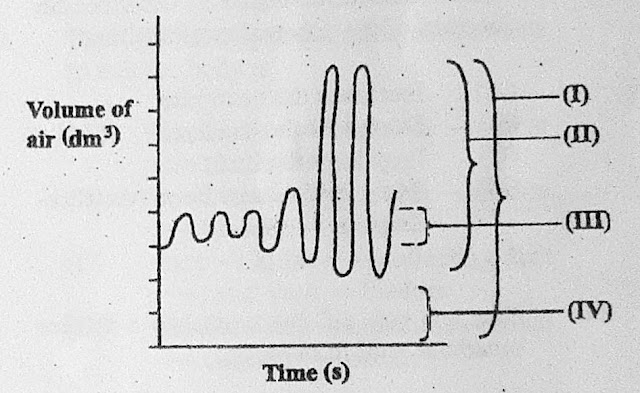
BREATHING RATE & FACTORS THAT INFLUENCE IT [HSB]

Image
SYLLABUS REFERENCE [B2.4] outline the factors affecting the rate of breathing;  [B2.5] explain the concept of vital capacity; 

THE LYMPHATIC SYSTEM [CSEC HSB]

Image
SYLLABUS REFERENCE  [B3.13] describe the structure and function of the lymphatic system  [B3.14] describe how tissue fluid and lymph are formed 

PRE- AND POST-NATAL HEALTHCARE [CSEC HSB]

Image
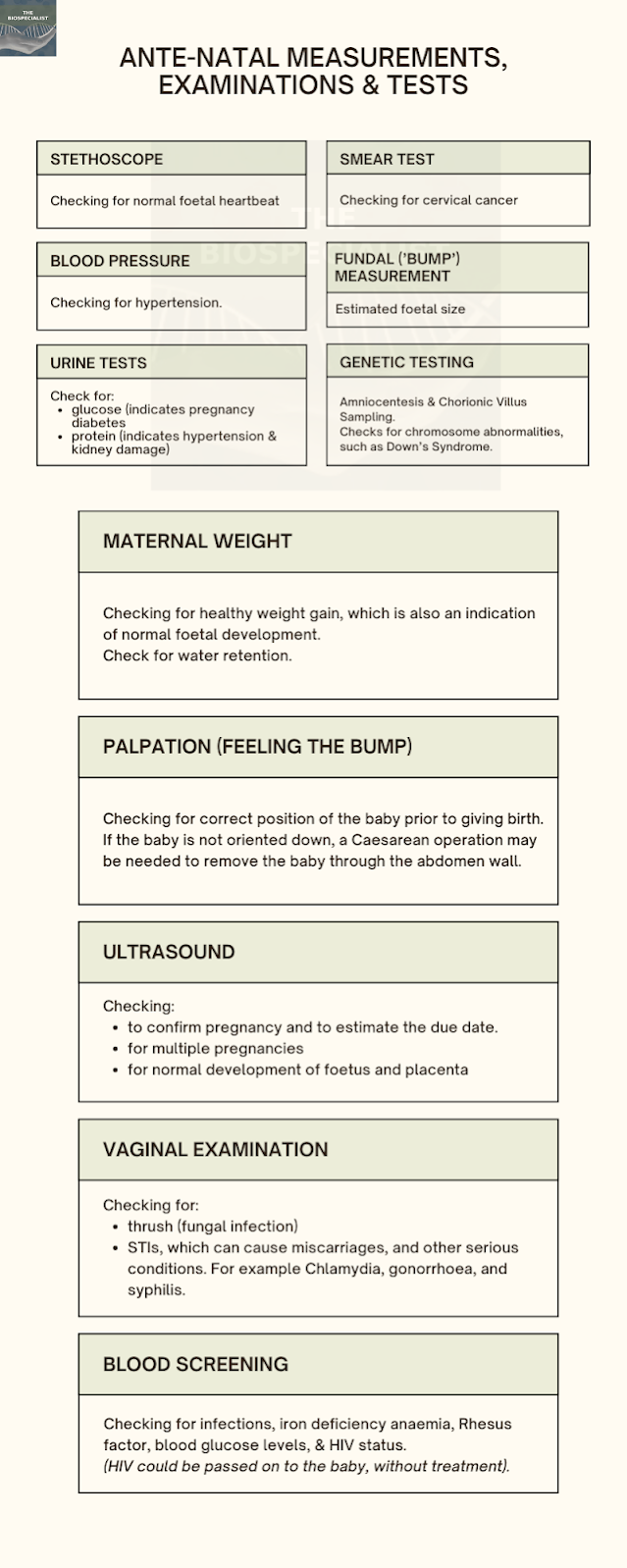
SYLLABUS OBJECTIVES  CSEC HSB [B7.6] discuss pre-natal/ante-natal and post-natal care for mother and baby; 

HOMEOSTASIS [CSEC HSB]

Image
SYLLABUS REFERENCE [B5.5] explain the concept of homeostasis;  [B5.6] explain the concept of feedback mechanisms;  [B5.7] discuss the regulation of blood sugar;  [B5.9] distinguish between heat and temperature;  [B5.10] discuss the regulation of temperature; 

HUMAN REPRODUCTION [CSEC HSB & BIOLOGY]

Image
SYLLABUS REFERENCE  CSEC BIOLOGY  [B9.2] describe the structure & function of the reproductive systems in humans;  [B9.3] describe the menstrual cycle;  [B9.4] outline the mechanism for bringing gametes together, their fusion, and the development of the embryo in humans;  CSEC HSB [B7.2] describe the structure and function of the reproductive systems in human beings;  [B7.3] describe the menstrual cycle;  [B7.4] explain ovulation, fertilisation, implantation, and development of the embryo;  [B7.5] describe the stages of the birth process; 
CONTRACEPTION & FAMILY PLANNING [CSEC HSB & BIOLOGY]

Image
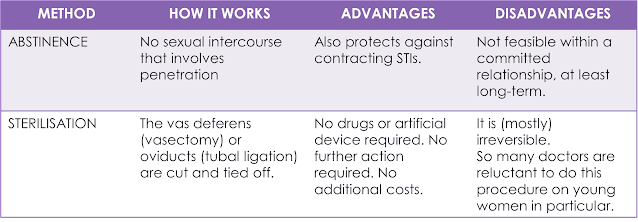
SYLLABUS REFERENCE  CSEC BIOLOGY  [B9.5] discuss the advantages and disadvantages of various methods of birth control.  CSEC HSB  [B7.7] explain how birth control methods prevent pregnancy;  [B7.8] discuss the advantages and disadvantages of birth control methods;  [B7.9] discuss the issues related to abortion; [B7.10] discuss the importance of family planning. 

DRUG ABUSE [CSEC HSB]

Image
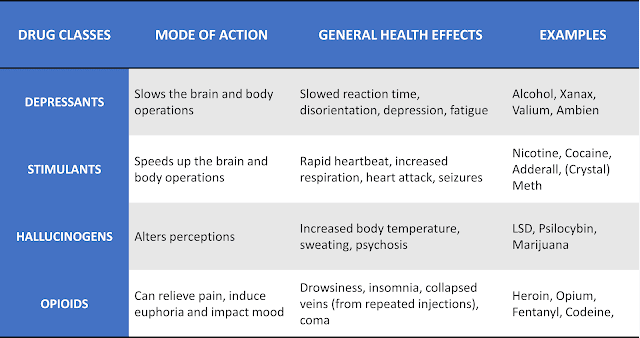
SYLLABUS REFERENCE  CSEC HSB [D22] discuss the use & misuse of drugs;  [D23] explain the social effects of drug misuse on the individual, family, and community; [B2.11] discuss the effects of smoking.  CSEC BIOLOGY  [B7.8] discuss the physiological, social and economic effects of drug abuse. 

TYPES OF NUTRITION [CSEC BIOLOGY & HSB]

Image
SYLLABUS REFERENCE  CSEC Biology  [B2.1] distinguish among heterotrophic, autotrophic and saprophytic nutrition. 

VECTOR-BORNE DISEASES [CSEC BIOLOGY & CSECHSB]

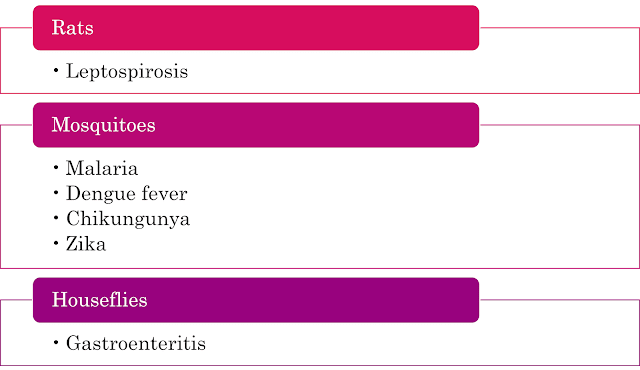
Image
SYLLABUS REFERENCE  CSEC HSB [D12] explain the effect of vectors on human health; [D13] describe the life cycle of the mosquito and housefly;  [D14] discuss mosquito-borne diseases;  [D15] explain the importance & methods of controlling vectors that affect human health.  CSEC BIOLOGY  [B10.2] identify the stages in the life cycle of a mosquito;  [B10.3] discuss the role of the mosquito as a vector in the transmission of pathogenic diseases;  [B10.4] suggest appropriate methods of control of each stage of the life cycle of the mosquito;

BODY'S DEFENSE AGAINST DISEASE [CSEC BIOLOGY & HSB)

Image
SYLLABUS REFERENCE  CSEC HSB [D20] explain the types of immunity; [D21] distinguish between immunity and immunisation; vaccine and vaccination. CSEC BIOLOGY  [B4.5] describe the role of blood in defending the body against disease;  [B4.6] explain how the principles of immunization are used in the control of communicable diseases. 

STIs & HIV/AIDS [CSEC BIOLOGY & CSEC HSB]

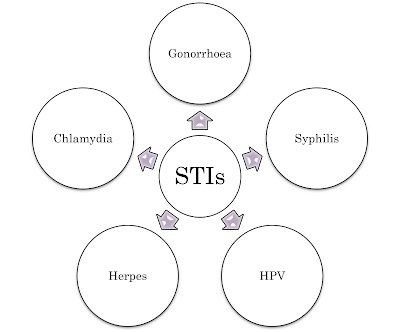
Image
SYLLABUS REFERENCE  CSEC HSB  [D6] discuss sexually transmitted infections (STIs);  [D7] discuss Human Immunodeficiency Virus / Acquired Immune Deficiency Syndrome (HIV / AIDS);  [D8] describe the effect of STIs on the pregnant mother and the foetus. CSEC BIOLOGY  [B10.5] discuss the treatment and control of the four main groups of disease. 

DISEASE SOCIOECONOMIC IMPACT | DEFINITIONS [CSEC BIOLOGY & HSB]

Image
SYLLABUS REFERENCE  CSEC HSB [D11] discuss the impact of diseases on the human population; Important definitions, especially with respect to managing disease in a community.  CSEC BIOLOGY  [B10.6] discuss the social, environmental and economic implications of disease with reference to both plant and animal diseases. 

CHRONIC DISEASES [CSEC BIOLOGY & CSEC HSB]

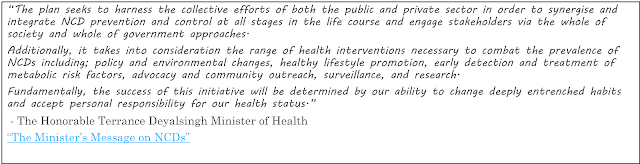
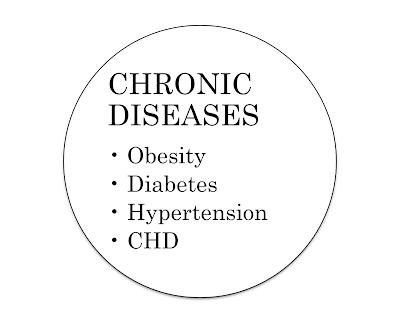
Image
SYLLABUS REFERENCE  CSEC HSB  [D9] discuss chronic / lifestyle-related diseases;  CSEC BIOLOGY  [B10.5] discuss the treatment and control of the four main groups of disease. 

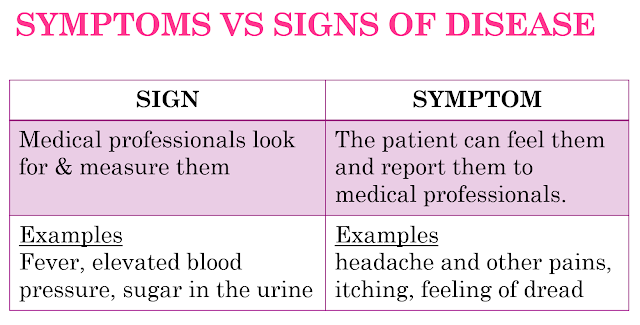
HEALTH & DISEASE 101 [CSEC Biology & HSB]

Image
SYLLABUS REFERENCE  CSEC HSB  [D1] define the terms good health and disease;  [D2] classify the types of diseases;  [D3] differentiate between the terms signs and symptoms; CSEC Biology  [B10.1] distinguish among pathogenic, deficiency, hereditary, and physiological diseases; [B10.5] discuss the treatment and control of the four main groups of disease;  [B10.6] discuss the social, environmental, and economic implications of disease with reference to both plant and animal diseases. 

CARDIOVASCULAR SYSTEM [CSEC HSB & BIOLOGY]

Image
SYLLABUS REFERENCE  CSEC Biology [B4.3] describe the structure and function of the circulatory system in humans;  [B4.4] relate the structure of the components of blood to their function;  CSEC HSB [B3.4] relate the structures of red blood cells, phagocytes, and lymphocytes to their functions;  [B3.5] relate the structures of the arteries, veins, and capillaries to their functions;  [B3.6] relate the structures of the heart to their functions;  [B3.7] explain the concept of blood pressure;  [B3.8] describe the structure & function of the circulatory system in humans;  [B3.11] discuss the causes & effects of heart diseases; (brief overview)  

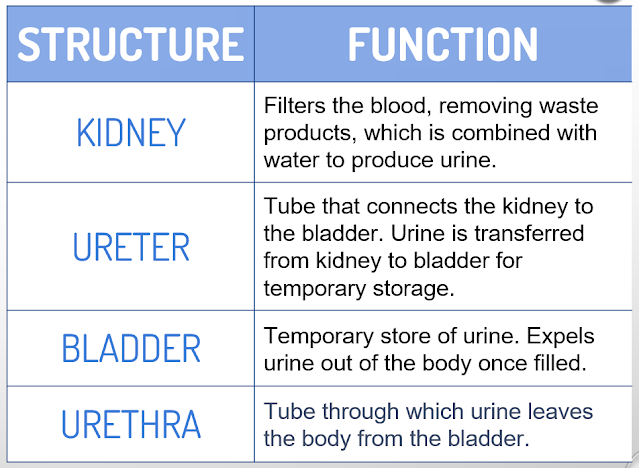
EXCRETION | KIDNEY STRUCTURE & FUNCTION [CSEC HSB & BIOLOGY]

Image
SYLLABUS REFERENCE  CSEC HSB [B1.27] distinguish between egestion and excretion;  [B5.1] explain the importance of excretion in human beings;  [B5.2] explain the roles of the organs involved in excretion;  [B5.3] relate the structures of the kidney to their function;  [B5.8] explain the regulation of water;  CSEC Biology  [B5.1] distinguish between egestion and excretion;  [B5.2] discuss the importance of excretion in living organisms;  [B5.3] state how metabolic wastes are excreted from plants and animals;  [B5.4] relate the kidney to its osmoregulatory and excretory functions. 

MUSCULOSKELETAL SYSTEM [CSEC HSB & BIOLOGY]

Image
SYLLABUS REFERENCE  CSEC HSB  [B4.1] identify the major bones of the skeleton;  [B4.2] relate the structure of the skeleton to its functions;  [B4.7] identify a hinge joint, fixed joint, and ball-and-socket joint;  [B4.9] identify the biceps and triceps of the upper arm;  [B4.10] explain how skeletal muscles function in the movement of a limb;  [B4.11] explain the importance of locomotion to man.  CSEC Biology  [B6.2] relate the structure of the skeleton to its function in humans; [B6.3] discuss the importance of locomotion in animals;  [B6.4] describe the mechanism of movement in a human forelimb.  

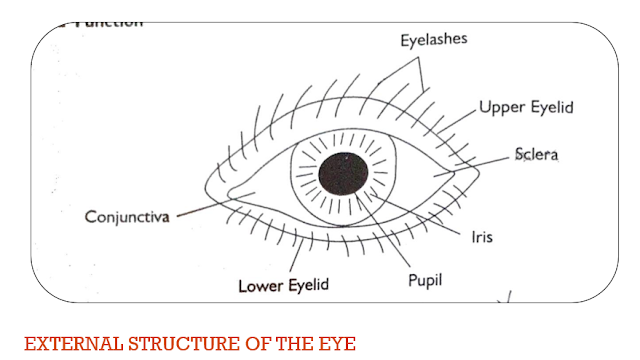
EYE STRUCTURE & FUNCTION [CSEC HSB]

Image
SYLLABUS REFERENCE  CSEC HSB [B6.9] relate the internal structures of the eye to their functions;  [B6.10] explain how images are formed in the eye;  [B6.11] explain accommodation in the eye;  [B6.12] discuss the causes of, and corrective measures for eye defects and diseases.  CSEC Biology  [B7.9] relate the structure of the human eye to its functions as a sense organ;  [B7.10] explain accommodation; sight defects and the corrections of each; 

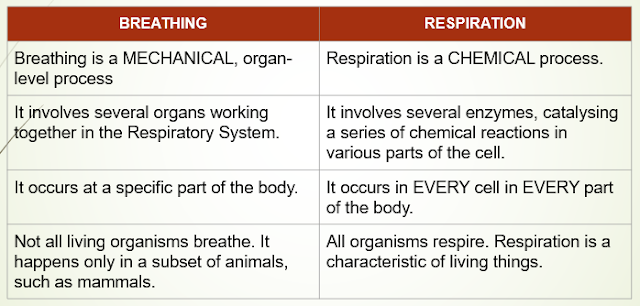
RESPIRATION, GASEOUS EXCHANGE, AND BREATHING [CSEC BIOLOGY & HSB]

Image
SYLLABUS REFERENCE  CSEC HSB  [B2.1] explain the importance of breathing in humans;  [B2.2] relate the structures of the respiratory tract to their functions;  [B2.3] describe the breathing mechanism;  [B2.6] distinguish between gaseous exchange and breathing;  [B2.7] identify characteristics common to gaseous exchange surfaces;  [B2.8] differentiate between aerobic and anaerobic respiration;  CSEC BIOLOGY  [B3.1] describe the process of aerobic respiration; [B3.2] distinguish between aerobic and anaerobic respiration;  [B3.3] describe the mechanism of breathing in humans and gaseous exchange in flowering plants;  [B3.4] identify characteristics common to gaseous exchange surfaces;