Posts

HEALTH & DISEASE 101 [CSEC Biology & HSB]
Image
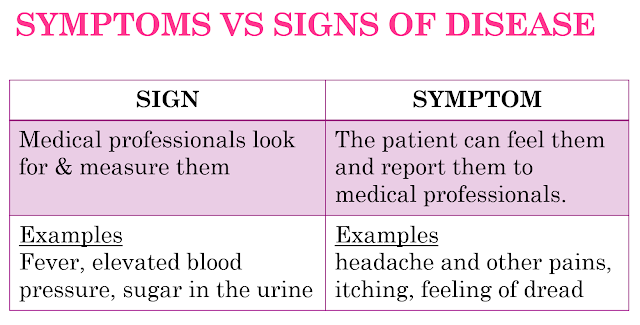
SYLLABUS REFERENCE  CSEC HSB  [D1] define the terms good health and disease;  [D2] classify the types of diseases;  [D3] differentiate between the terms signs and symptoms; CSEC Biology  [B10.1] distinguish among pathogenic, deficiency, hereditary, and physiological diseases; [B10.5] discuss the treatment and control of the four main groups of disease;  [B10.6] discuss the social, environmental, and economic implications of disease with reference to both plant and animal diseases. 

CARDIOVASCULAR SYSTEM [CSEC HSB & BIOLOGY]

Image
SYLLABUS REFERENCE  CSEC Biology [B4.3] describe the structure and function of the circulatory system in humans;  [B4.4] relate the structure of the components of blood to their function;  CSEC HSB [B3.4] relate the structures of red blood cells, phagocytes, and lymphocytes to their functions;  [B3.5] relate the structures of the arteries, veins, and capillaries to their functions;  [B3.6] relate the structures of the heart to their functions;  [B3.7] explain the concept of blood pressure;  [B3.8] describe the structure & function of the circulatory system in humans;  [B3.11] discuss the causes & effects of heart diseases; (brief overview)  

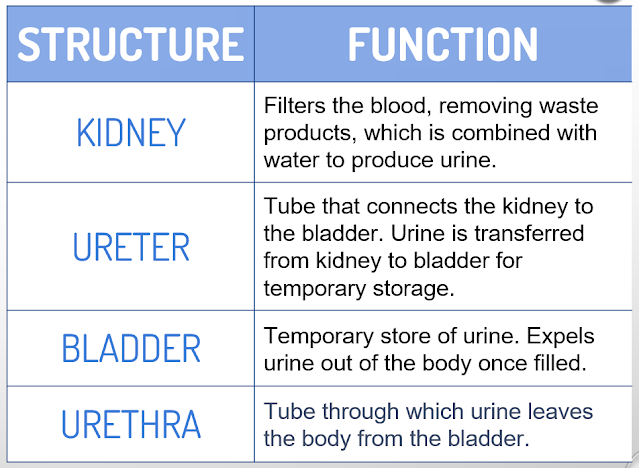
EXCRETION | KIDNEY STRUCTURE & FUNCTION [CSEC HSB & BIOLOGY]

Image
SYLLABUS REFERENCE  CSEC HSB [B1.27] distinguish between egestion and excretion;  [B5.1] explain the importance of excretion in human beings;  [B5.2] explain the roles of the organs involved in excretion;  [B5.3] relate the structures of the kidney to their function;  [B5.8] explain the regulation of water;  CSEC Biology  [B5.1] distinguish between egestion and excretion;  [B5.2] discuss the importance of excretion in living organisms;  [B5.3] state how metabolic wastes are excreted from plants and animals;  [B5.4] relate the kidney to its osmoregulatory and excretory functions. 

MUSCULOSKELETAL SYSTEM [CSEC HSB & BIOLOGY]

Image
SYLLABUS REFERENCE  CSEC HSB  [B4.1] identify the major bones of the skeleton;  [B4.2] relate the structure of the skeleton to its functions;  [B4.7] identify a hinge joint, fixed joint, and ball-and-socket joint;  [B4.9] identify the biceps and triceps of the upper arm;  [B4.10] explain how skeletal muscles function in the movement of a limb;  [B4.11] explain the importance of locomotion to man.  CSEC Biology  [B6.2] relate the structure of the skeleton to its function in humans; [B6.3] discuss the importance of locomotion in animals;  [B6.4] describe the mechanism of movement in a human forelimb.  

PLANT MINERAL NUTRITION [CSEC BIOLOGY]

Image
SYLLABUS REFERENCE  [B2.5] discuss the importance of minerals in plant nutrition using nitrogen and magnesium as examples.